




2026 Fabric Trends for European Fashion Designers: Texture, Performance and Sustainable Innovation
European fashion designers are moving beyond basic materials. In 2026, fabric is not just a base — it becomes part of the story. At Suzhou HL Textile Factory, we closely observe international exhibitions such as Premiere Vision and Munich Fabric Start to understand how materials are evolving across the European market. Here are three key fabric directions we see gaining momentum for the upcoming seasons.
Jerry
2/26/20262 min read
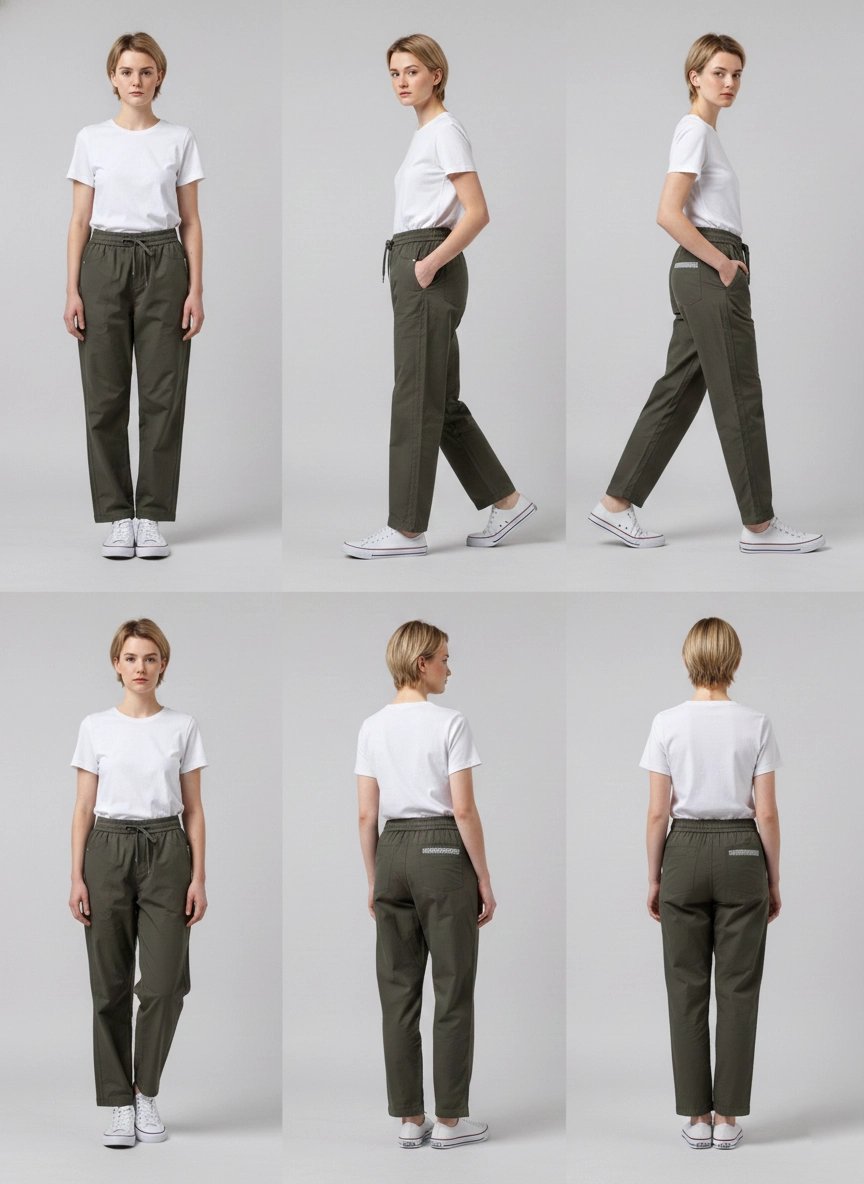
1. Lightweight Performance Fabrics with Soft Hand Feel
European designers increasingly request functional fabrics that do not look “technical”.
Instead of stiff outdoor materials, brands are looking for:
Soft-touch waterproof fabrics
Matte surface finishing
Lightweight laminated fabrics
Quiet, low-noise outerwear textiles
This shift is strong in Germany, Scandinavia, and the UK — where outdoor lifestyle meets urban fashion.
Designers searching for:
#lightweight_waterproof_fabric_for_European_brands
are no longer satisfied with basic PU coating. They want flexibility, breathability, and elegance in the same material.
The challenge is balancing performance with comfort — especially for spring/summer outerwear collections.
2. Textured Jacquard with Subtle Visual Depth
Minimalism remains important in Europe, but surface texture is becoming more refined.
We see growing interest in:
Micro geometric jacquard
Tone-on-tone patterns
Soft structured weaves
Organic floral textures
Instead of bold patterns, designers prefer understated structure that creates depth under natural light.
For brands exploring:
#modern_jacquard_fabric_trends_in_Europe
the focus is on tactile experience — how the fabric reacts to movement and drape.
Neutral palettes such as sand, stone grey, soft olive, and muted blue are leading the direction.
3. Sustainable-Looking, Natural Aesthetic Fabrics
Even when fabrics are synthetic, European designers often prefer a natural visual language.
Popular directions include:
Linen-look polyester
Textured chiffon with organic feel
Matte-finish recycled blends
Light crinkle effects
Designers are searching for materials that communicate sustainability visually — even before reading labels.
For brands developing:
#sustainable_fashion_fabric_trends_2026
transparency, texture, and softness are more important than shine and high gloss finishes.
4. Fluid Chiffon and Feminine Lightness
In womenswear, we see a return to fluidity:
Lightweight chiffon
Soft layered transparency
Subtle burnout techniques
Flowing silhouettes
Movement is key. Designers want fabrics that respond to air and motion.
Instead of heavy prints, we see more interest in texture-based expression.
5. Technical Finishing with Invisible Function
A strong direction in 2026 is “hidden performance”:
Water repellency without visible coating
Breathability without stiffness
Stretch without obvious elastane shine
Performance should not dominate aesthetics — it should support it.
European designers increasingly prefer materials that look natural but function technically.
What This Means for Designers
For European fashion brands, material development now requires balance:
Sustainability perception
Technical performance
Cost awareness
Supply chain stability
At Suzhou HL Textile Factory, we work closely with designers to adapt structure, finishing, and hand feel according to seasonal collections rather than offering only standard stock fabrics.
We believe trend awareness is not about copying exhibitions — it is about understanding how European consumers live, move, and dress.
2026 fabric development in Europe is defined by:
Softer performance
Subtle texture
Sustainable aesthetics
Quiet technical innovation
If you are developing a new collection and looking for trend-aligned fabric development support, we welcome discussions about structure customization, finishing adjustment, and seasonal planning.
Contact Us
Please feel free to contact us to receive free samples.
tony
TEL/WhatsApp +86 159 6259 9888
© 2025. All rights reserved.
Jerry
TEL/WhatsApp +86 133 2801 6961
WUJIANG HAOLEI TEXTILE CO.,LTD
No. 169, Wenzhou Commercial Area, Shengze Town, Wujiang District, Suzhou City, Jiangsu Province, China
Postal Code: 215228
Follow Us