




How Suzhou HL Textile Factory Ensures Stable Lead Time and Cost Control for European Buyers
For European sourcing managers, stability matters more than temporary low pricing. When working with overseas suppliers, the key concerns are: • Will prices suddenly increase? • Can delivery deadlines be trusted? • Will bulk quality match the approved sample? At Suzhou HL Textile Factory, we focus on practical supply chain management to reduce these risks for our European partners.
Jerry
2/26/20261 min read
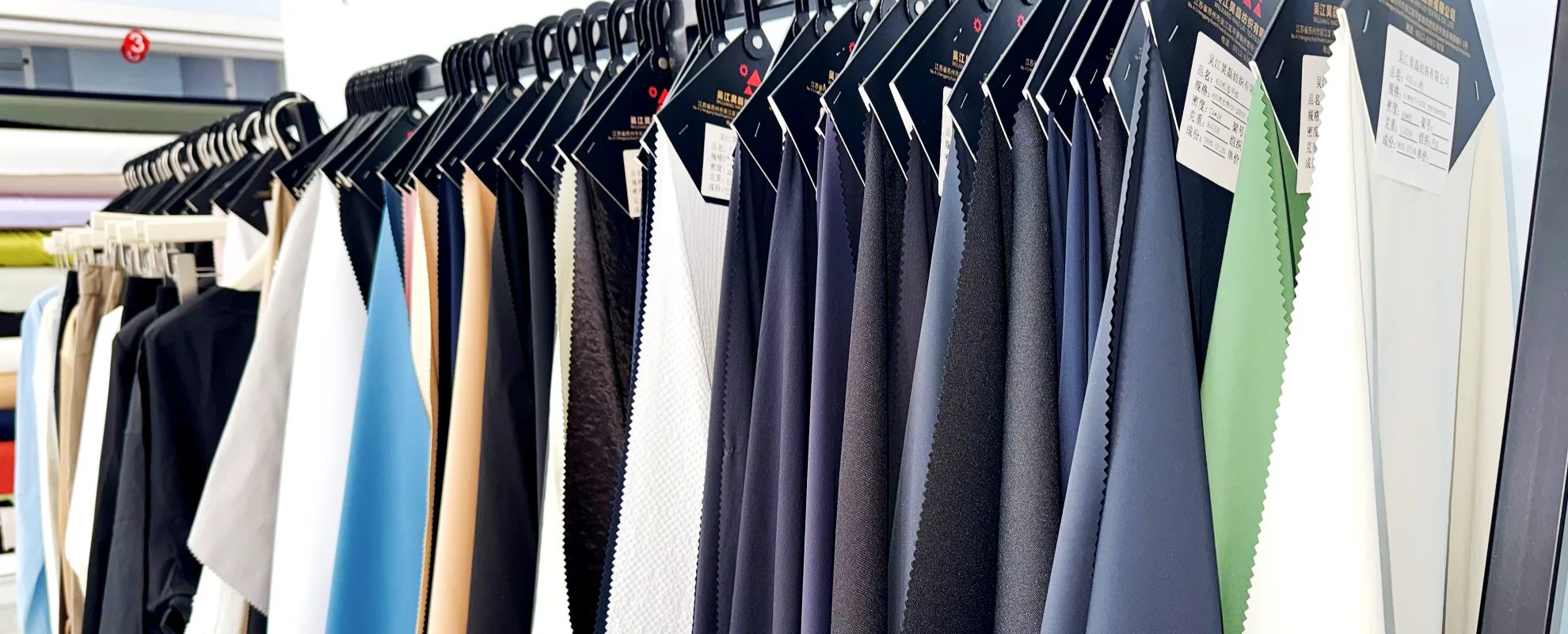
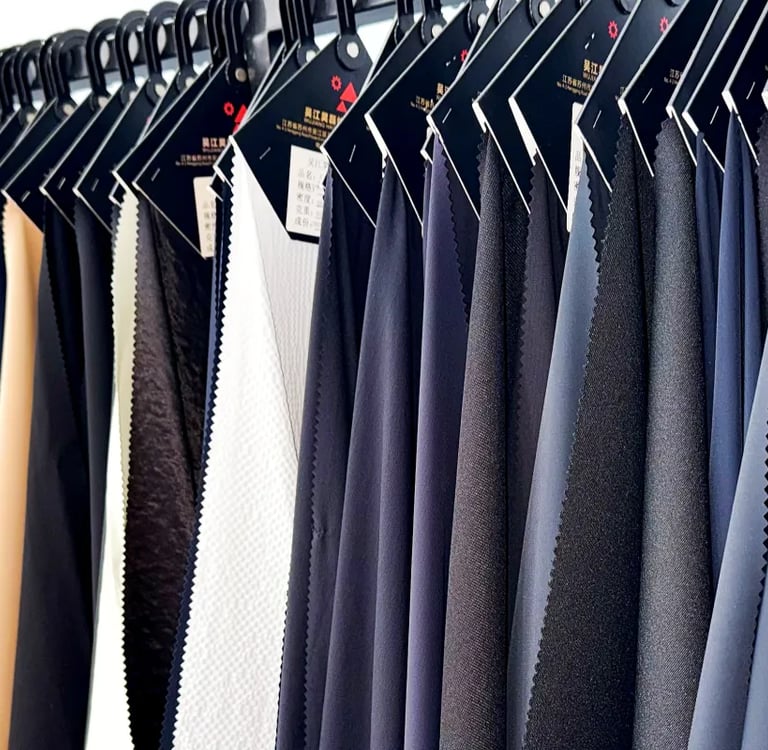
1. Managing Price Fluctuations Through Inventory Strategy
Textile price volatility usually begins with raw materials such as polyester, nylon, and specialty yarns.
To reduce this risk, our factory maintains:
Large stock of greige fabrics (unfinished, undyed base fabrics)
Reserved inventory of key yarn materials
By storing greige fabrics before dyeing, we gain two advantages:
Faster production turnaround
Protection against sudden yarn price increases
When a European client confirms a color and finishing requirement, we can immediately arrange dyeing and finishing without waiting for weaving production.
This inventory strategy supports buyers looking for:
#stable_fabric_supplier_for_European_market
It also helps brands secure pricing during periods of raw material fluctuation.
2. Flexible Production Planning Based on Stock Availability
Because we keep greige stock and yarn reserves, we can:
Shorten lead time for repeat orders
Reduce risk caused by yarn shortages
Maintain cost stability across seasons
For functional fabrics requiring coating or lamination, early preparation allows us to schedule finishing in advance, minimizing production bottlenecks.
This is especially important for buyers searching for:
#reliable_waterproof_fabric_manufacturer_with_stable_lead_time
Stable preparation reduces unexpected delays.
3. Ongoing Quality Inspection During Bulk Production
Quality consistency is one of the biggest concerns for European buyers.
Beyond final inspection, we conduct random checks during bulk production. These unannounced internal inspections help ensure:
Color consistency
Coating thickness stability
Fabric density accuracy
Surface defect control
By monitoring production during the process — not only at the end — we reduce the risk of discovering problems after completion.
For brands seeking:
#low_MOQ_fabric_factory_with_consistent_quality
process control is essential.
4. Structured Export Coordination
We also manage export procedures carefully, including:
Commercial documentation review
HS code verification
Shipping schedule coordination
Communication with freight forwarders
Predictable export handling helps European buyers avoid customs complications and delivery disruptions.
5. Long-Term Cost Control Approach
Instead of competing on short-term low pricing, Suzhou HL Textile Factory focuses on:
Inventory planning
Controlled production flow
Continuous quality monitoring
Stable long-term partnerships
This approach reduces risk for European fashion brands and textile importers.
Conclusion
If your company values stable pricing, controlled lead times, and consistent quality, Suzhou HL Textile Factory offers a practical and transparent production system designed to support European sourcing needs.
We welcome discussions about seasonal planning, repeat orders, and long-term cooperation.
Contact Us
Please feel free to contact us to receive free samples.
tony
TEL/WhatsApp +86 159 6259 9888
© 2025. All rights reserved.
Jerry
TEL/WhatsApp +86 133 2801 6961
WUJIANG HAOLEI TEXTILE CO.,LTD
No. 169, Wenzhou Commercial Area, Shengze Town, Wujiang District, Suzhou City, Jiangsu Province, China
Postal Code: 215228
Follow Us